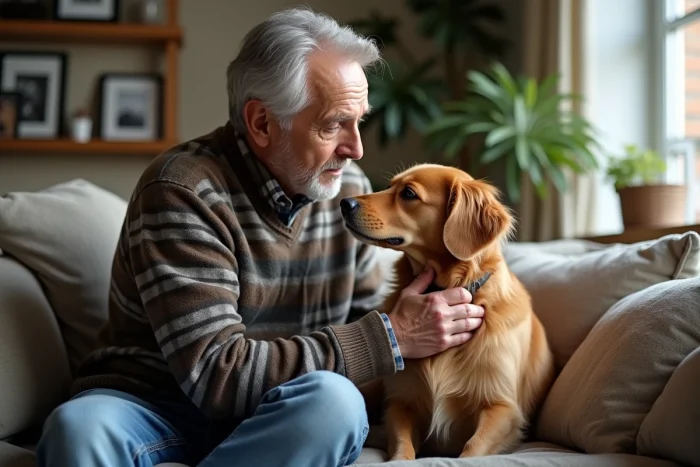
Forty thousand scents for a dog, only five thousand for a human. This raw and unambiguous figure reveals the sensory power of animals, but their role does not stop there. Four-legged companions shake up our lives, impact health, and even reduce the risk of hospitalization in the elderly. The animal, far from being a mere auxiliary, shapes our lives much more than we often admit.
Animal mediation is now being integrated into medical protocols, asserting itself in hospitals, even though its use remains limited in some countries. The benefits of this daily relationship go beyond attachment or tenderness. They touch on social organization, therapies, and the recognition of buried emotions, sometimes ignored. This companionship disrupts codes and necessitates a reevaluation of the animal’s place in society.
Why has the bond between humans and animals always fascinated us?
What connects humans to animals has intrigued for centuries. It is neither pure utilitarianism nor a simple matter of tenderness. The relationship between a human and their animal is rooted in exchange: glances, postures, knowing silences. Sometimes, words disappear, replaced by a presence that calms or stimulates. Animals, whether discreet or exuberant, participate in the routine, shaping bonds of rare density.
In France, over 60 million pets share our daily lives. Here, this unique bond becomes almost a cultural aspect. It transcends time, from prehistoric engravings to contemporary novels, from the loyal shepherd dog to the languid cat in the living room. The animal is also a mirror of our emotions, a sounding board for our vulnerabilities. The human-animal relationship has taken on a symbolic dimension that permeates myths, tales, and habits.
Researchers affirm: animals detect our moods, our dips in energy, our rises in stress, without ever judging. This emotional proximity creates a mutual and profound trust, sometimes absent in human relationships. To learn more about lanimaletlhomme.fr, explore the multiple facets of this relationship: from simple space sharing to sensitive cohabitation, from social roles to intimate resonance in our lives.
How do animals transform our lives on a daily basis?
A pet disrupts the balance of the home. Whether a dog or a cat, discreet or exuberant, it imposes a rhythm, shapes the day. Taking the dog out, preparing the food bowl, attending to their rituals… These actions accumulate, creating a solid and subtle framework, weaving a tangible link between human and animal.
The effects on physical health are immediate. Walks awaken muscles, stimulate circulation, and help maintain more stable blood pressure. Studies are clear: living with an animal promotes stress management and tempers anxiety. The company of a cat or dog comforts, supports mood, and softens isolation. For an elderly person, the presence of an animal becomes a source of silent listening, a warmth that cannot be replaced.
Here are some examples of the benefits observed in daily life:
- Soothing effect of a cat’s purring: some owners report better sleep or feeling less anxious after a cuddle session.
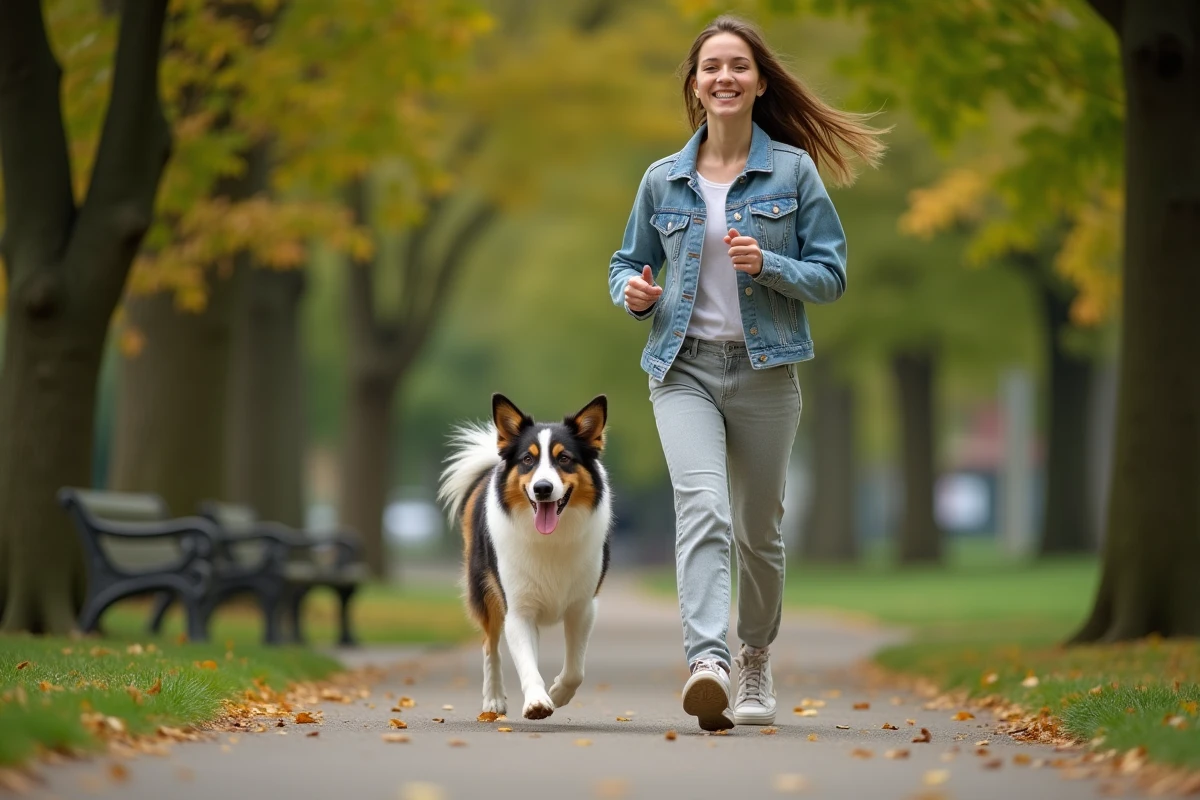
- Stimulation of physical activity: maintaining fitness sometimes simply involves walking the dog, morning and evening, regardless of the weather or motivation.
- Creation of bonds between humans: how many conversations start during encounters between pet owners at the park or at the vet?
Little by little, the house becomes infused with their scent, their energy. An animal does not just occupy space; it influences habits, imposes its own timing. It reminds us of the vitality of the living, even in the most mundane routine. This relationship then becomes a driving force for transformation, a discreet yet very real power.
Animal mediation: a valuable support for everyone’s balance and well-being
Animal mediation holds a special place in our society. When the animal intervenes, the relationship to oneself and to others evolves. This approach relies on the authentic presence of the animal, whether a dog, cat, or horse, to soothe, support, and liberate expression. It is not limited to companionship: it accompanies, transforms, and allows reconnection with a part of oneself that may have been forgotten.
In France, animal mediation is integrated into hospitals, nursing homes, and facilities for children or adults with disabilities. The horse, for example, invites trust and balance: it helps some patients better inhabit their bodies. The dog or cat, in turn, offers warmth, silent listening, fostering the expression of buried emotions or a reconnection with reality.
Here is what experience and observations reveal:
- Reduction of blood pressure: participants see their pressure drop during mediation sessions.
- Improvement of well-being and sense of security: the animal reassures with its presence, alleviating anxiety, especially in vulnerable individuals.
- Stimulation of non-verbal communication: some children or adults, sometimes mute, rediscover the joy of exchange through animal contact.
The therapeutic impact of animal mediation is explained by the animal’s ability to break down barriers. When words fail, touch, the warmth of fur, the regularity of breath can open unexpected paths. The bond that unites humans and animals becomes a lever for progress, a motor for balance, and reminds us of the power of silent connections that accompany us, often quietly, every day.