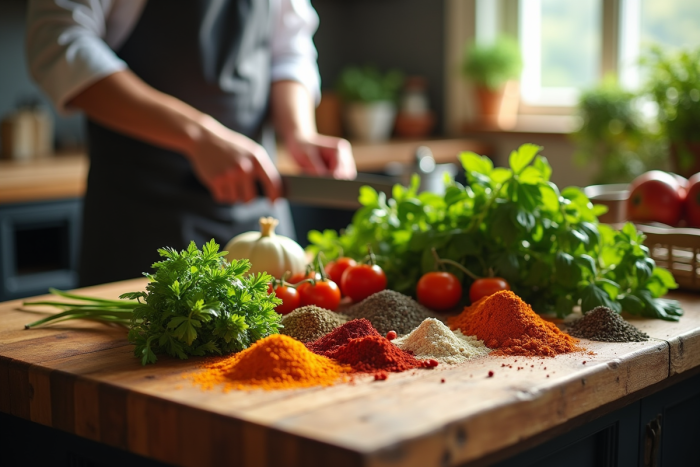
The culinary world is full of unusual terms that can confuse budding chefs. Whether following a recipe or watching a cooking show, words like ‘chiffonnade’, ‘mirepoix’, or ‘quenelle’ often appear, leaving enthusiasts perplexed.
These expressions, although confusing at first glance, are essential for mastering the culinary art. Understanding these terms not only allows for better adherence to recipe instructions but also enhances the appreciation of the richness and diversity of culinary techniques. Let’s dive into this fascinating lexicon to enlighten cooking enthusiasts.
Unusual terms to know
In the world of cooking, some terms may seem esoteric, but they are crucial for any aspiring chef looking to grasp the subtleties of culinary art. Here are some of the most intriguing:
- Écaler: means to remove the shell from a cooked egg. This technique is essential for preparations like deviled eggs or stuffed eggs.
- Clarifier: means to separate the egg white from the yolk. A fundamental action for making various recipes, including meringues and sauces.
- Chablonner: means to cover a biscuit with melted chocolate. This technique is used to strengthen the biscuit’s structure and prevent it from becoming soggy.
- Chemiser: means to line the walls of a mold with parchment paper, dough, or slices of vegetables. This allows for easy removal of preparations and provides a neat presentation.
- Contiser: means to make an incision to insert an ingredient, such as truffles or garlic, into poultry. This allows for deep flavoring of the meat.
- Fraiser: means to work a dough with the palm of the hand to make it smooth. This technique is crucial for achieving smooth, lump-free doughs.
In this list, a lesser-known but equally fascinating term is cobette. To understand its usage and implications, check out the article ‘Cobette: understand this term and its usage – Kamaz’.
These terms, although complex, enrich culinary vocabulary and allow for smooth navigation through sophisticated recipes. Master them to elevate your cooking to a professional level.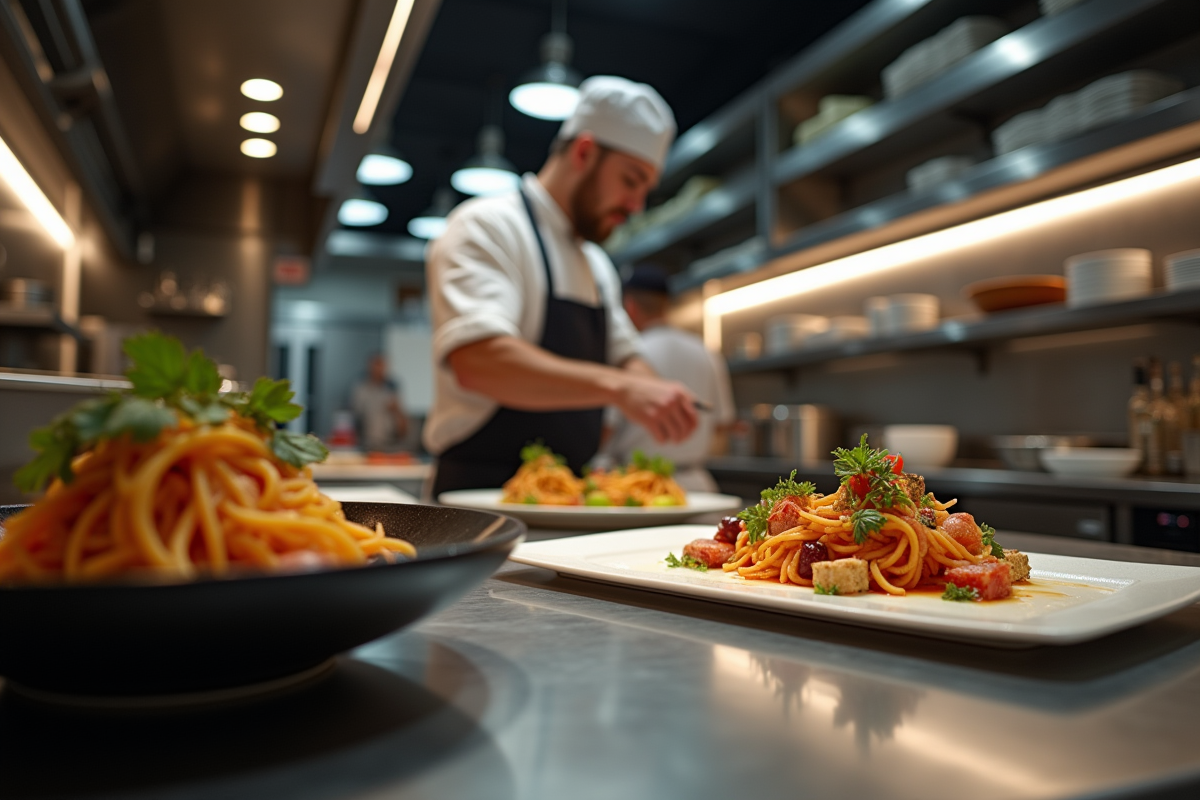
How to use them in cooking
Knowing culinary terms is not enough; you also need to know how to apply them practically.
- Écaler: after plunging your hard-boiled eggs into cold water, gently tap the shell to crack it, then remove it starting from the widest end.
- Clarifier: carefully break the egg in half, leaving the yolk in one half of the shell. Let the white drain into a container by passing it from one half to the other.
- Chablonner: melt the chocolate in a double boiler, then, using a spatula, spread it over the biscuit to completely cover it.
- Chemiser: cut the parchment paper to the size of your mold, then line the walls to facilitate removal.
- Contiser: make regular incisions on the skin of the poultry and insert slices of truffle or garlic to flavor the meat deeply.
Advanced techniques
Some techniques require a more in-depth mastery:
- Siroper: soak your yeast cake in hot sugar syrup to make it moist and flavorful.
- Singer: after sautéing your ingredients, sprinkle them with flour to thicken the sauce that will follow.
- Cardinaliser: cook your seafood until they take on a cardinal red hue, a sign of perfect cooking.
- Migaine: mix eggs and cream to create a filling for quiches or tarts, ensuring a creamy texture.
The culinary lexicon is an essential guide for mastering these techniques. Master these terms and techniques to elevate your dishes to the level of culinary art.